
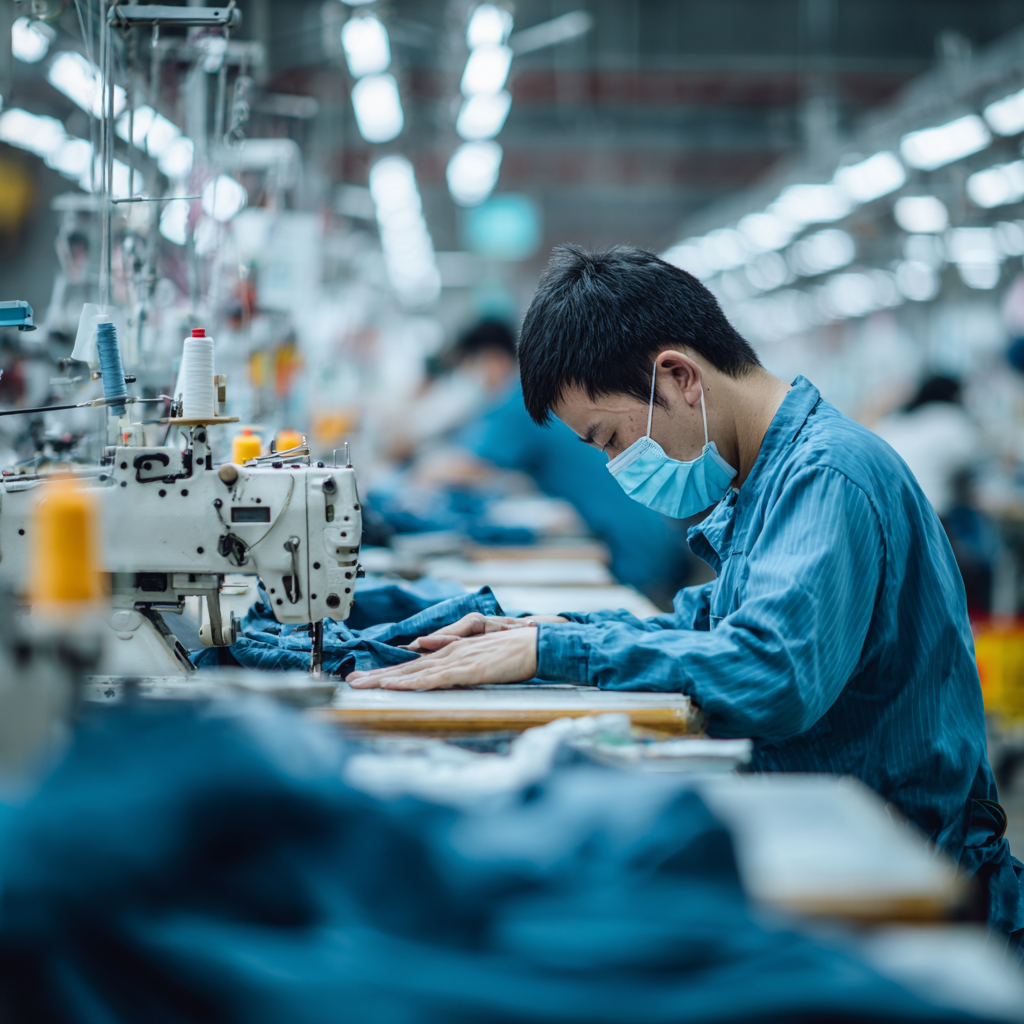
Introduction
China remains the world’s manufacturing powerhouse, producing everything from consumer electronics to industrial equipment. For many product companies, Chinese manufacturing offers compelling economics—lower costs, massive capacity, and deep expertise across virtually every production process.
However, working with Chinese manufacturers presents unique challenges: communication barriers, cultural differences, quality control complexity, and logistics management. Success requires understanding these challenges and implementing strategies that leverage China’s strengths while mitigating risks.
This comprehensive guide provides practical strategies for successfully working with Chinese manufacturers, drawn from decades of collective experience helping companies navigate overseas production.
Why Manufacture in China
Cost Advantages
China’s primary advantage remains cost. Labor costs, while rising, remain significantly below Western levels. More importantly, China’s manufacturing ecosystem—materials suppliers, component manufacturers, tooling makers, and assembly facilities—creates efficiencies impossible elsewhere.
The complete supply chain concentration means manufacturers source components locally rather than importing them. Tooling costs less due to local steel suppliers and tooling expertise. These systemic advantages compound, creating total costs often 30-60% below domestic manufacturing.
Manufacturing Expertise
China has developed deep manufacturing expertise across virtually every process and product category. Whether you need injection molding, die casting, CNC machining, PCB assembly, or textile manufacturing, Chinese companies possess world-class capabilities.
This expertise extends beyond basic manufacturing to sophisticated processes—multi-shot molding, in-mold decoration, complex assemblies, and specialized finishing. Chinese manufacturers have refined these processes through enormous production volumes.
Scalability and Capacity
Chinese manufacturers handle volumes from thousands to millions of units. This scalability is difficult to find elsewhere. As your product succeeds and volumes grow, Chinese manufacturers scale production without requiring you to change suppliers.
Capacity flexibility matters too. Chinese factories can ramp production quickly for seasonal demands or promotional spikes, then scale back when needed. This flexibility reduces inventory risk and capital requirements.
Complete Ecosystem
China’s manufacturing ecosystem extends beyond production to include packaging suppliers, logistics providers, testing laboratories, and certification services. This complete infrastructure streamlines production and reduces coordination complexity.
Challenges and How to Overcome Them
Communication Barriers
Language differences create misunderstandings despite many Chinese manufacturers having English-speaking staff. Technical terminology, nuanced requirements, and cultural communication styles compound these challenges.
Overcome communication barriers through exceptional documentation. Provide detailed drawings with dimensions, tolerances, materials, and finishes clearly specified. Use photographs and samples. Create visual assembly instructions. Over-communicate specifications—assume nothing is obvious.
Confirm understanding by having manufacturers repeat back requirements in their own words. Ask specific questions testing comprehension. Request detailed quotes showing they understand exactly what you’re ordering.
Quality Control Distance
Geographic distance makes quality control challenging. You cannot easily visit factories daily or inspect production runs personally. This distance creates opportunities for quality issues to persist undetected.
Implement robust quality control systems. Specify inspection criteria clearly through documented quality standards. Define acceptable quality levels (AQL) and inspection sampling plans. Hire third-party inspection services for critical production runs.
Request pre-production samples before authorizing full production. These “golden samples” become the quality standard. All production must match golden sample quality.
Intellectual Property Concerns
IP protection in China has improved significantly but remains concerning for many companies. Manufacturers might share your designs with competitors or use your tooling for unauthorized production.
Protect IP through legal agreements—non-disclosure agreements, non-compete clauses, and tooling ownership contracts. Register trademarks and patents in China, not just domestically. Chinese law respects Chinese-registered IP better than foreign registrations.
Split production among multiple suppliers for critical products. No single manufacturer has complete knowledge or capability to replicate your product. This strategy reduces risk while creating redundancy.
Cultural Differences
Chinese business culture differs from Western practices. Understanding these differences prevents misunderstandings and builds stronger relationships.
Chinese manufacturers value relationships (guanxi) highly. Invest time building personal relationships with key contacts. Visit facilities personally. Share meals. Show respect for their expertise and culture. These relationships pay dividends when problems arise.
Face (mianzi) matters in Chinese culture. Avoid publicly criticizing or embarrassing manufacturers. Address problems privately and respectfully. Frame issues as collaborative problems to solve together rather than failures to criticize.
Chinese communication tends toward indirectness, especially regarding problems. A response of “maybe” or “we will try” often means “no” or “this is difficult.” Learn to read between lines and ask probing questions to understand true status.
Finding the Right Manufacturer
Sourcing Strategies
Multiple approaches exist for finding Chinese manufacturers. Online platforms like Alibaba connect buyers with suppliers but require careful vetting. Trade shows like Canton Fair enable meeting manufacturers personally and seeing product samples.
Sourcing agents and manufacturing representatives provide local expertise and relationships. They understand Chinese manufacturing, speak the language, and vet suppliers on your behalf. Their fees typically return value through better manufacturer selection and problem resolution.
Industry associations and referrals from other companies provide qualified leads. Manufacturers who have successfully served companies similar to yours are more likely to serve you well.
Vetting Potential Manufacturers
Never commit to manufacturers without thorough vetting. Request detailed company information—years in business, production capacity, key equipment, certifications, and client references.
Visit facilities personally if possible, or hire agents to visit on your behalf. Facility visits reveal capabilities, capacity, organization, and professionalism that paper credentials don’t capture.
Check references carefully. Contact current clients and ask about quality, communication, reliability, and problem resolution. Past performance predicts future results.
Assess financial stability. Manufacturers going through financial difficulties might cut corners or fail mid-project. Request business licenses, financial statements, or credit reports.
Trial Orders and Qualification
Start with small trial orders before committing to large volumes or complex projects. Trial orders test quality, communication, and reliability with limited risk.
Use trial orders to qualify manufacturers across multiple criteria: Can they meet specifications? Do they communicate promptly? Do they ship on time? Is quality consistent? These answers inform whether to expand the relationship.
Managing the Manufacturing Relationship
Clear Specifications
Ambiguity creates problems. Specify every requirement explicitly—dimensions, tolerances, materials, colors, finishes, packaging, and labeling. Assume manufacturers will interpret ambiguous specifications in whatever way is easiest or cheapest for them.
Provide technical drawings following international standards (ISO or ANSI). Include general tolerance notes, material callouts, finish specifications, and critical dimensions. Supplement drawings with photographs, samples, or reference products.
For assemblies, provide exploded views, assembly instructions, and bills of materials. Specify torque requirements for fasteners, adhesive types, and any special assembly procedures.
Production Timeline Management
Chinese manufacturers often provide optimistic timelines. Add buffer time to quoted lead times, especially for initial orders when problems are more likely.
Understand which stages consume time: tooling development, sample approval cycles, material procurement, production, quality inspection, and shipping. Monitor progress at each stage rather than just asking about overall completion.
Chinese New Year significantly impacts production schedules. Factories shut down for weeks, and the months before and after see reduced capacity as workers travel. Plan around this annual disruption.
Payment Terms and Protection
Payment terms balance protecting yourself while remaining fair to manufacturers. Common structures include 30% deposit, 70% balance before shipping for established relationships, or letter of credit for new relationships or large orders.
Never pay 100% upfront—you lose all leverage if problems arise. Conversely, requiring payment only after delivery creates cash flow problems for manufacturers and signals distrust.
Letters of credit through banks protect both parties. Banks hold payment until you confirm goods meet specifications, while manufacturers have confidence they’ll be paid for conforming goods.
Quality Control Systems
Implement three-level quality inspection: incoming material inspection, in-process inspection, and final inspection. Each level catches different problems at different stages when they’re easiest and cheapest to address.
Incoming inspection verifies materials and components meet specifications before manufacturing begins. This prevents producing defective products from defective materials.
In-process inspection catches problems during production. For large runs, inspect early samples, mid-run samples, and final samples. This ensures quality remains consistent throughout production.
Final inspection verifies completed products meet all specifications before shipping. This is your last opportunity to catch problems before products reach customers.
Logistics and Shipping
Incoterms and Responsibilities
Understand Incoterms—standardized trade terms defining who pays for shipping, insurance, customs, and when ownership transfers. Common terms include FOB (Free on Board), CIF (Cost, Insurance, Freight), and DDP (Delivered Duty Paid).
FOB means you arrange and pay for shipping from Chinese port. CIF means manufacturers arrange shipping but you handle import customs. DDP means manufacturers handle everything to your door. Each has cost and control implications.
Shipping Methods
Ocean freight is economical for large volumes but slow—typically 4-6 weeks from China to North America or Europe. Air freight costs significantly more but delivers in days. Choose based on urgency, volume, and value.
For products in development, air freight enables faster iteration despite higher costs. For established production, ocean freight optimizes costs. Sometimes splitting shipments—urgent quantities by air, bulk by ocean—balances cost and speed.
Customs and Duties
Research import duties for your product category. Duties vary by product classification, origin country, and trade agreements. Factor these costs into total landed cost calculations.
Work with customs brokers who handle import documentation, duty calculation, and customs clearance. Their expertise prevents delays and ensures compliance with import regulations.
Building Long-Term Partnerships
Relationship Investment
The best manufacturer relationships are partnerships, not transactional vendor relationships. Invest in building genuine relationships with key manufacturer contacts.
Visit regularly, not just when problems occur. Share your business plans and product roadmap. Involve manufacturers early in new product development. These gestures build loyalty and commitment.
When manufacturers succeed with your business, they prioritize your needs. When you’re just another customer, you get standard service. Partnership relationships unlock manufacturers’ full capabilities.
Fair Treatment
Treat manufacturers fairly and ethically. Pay on time. Provide reasonable lead times. Don’t make unreasonable demands. Don’t pit suppliers against each other purely on price.
Fair treatment builds trust and long-term commitment. Manufacturers who trust you’ll treat them fairly invest more effort in your success, offer better pricing, and accommodate special requests.
Problem Resolution
Problems inevitably occur—quality issues, delays, miscommunications. How you handle problems determines relationship success more than avoiding problems.
Address problems promptly but respectfully. Focus on understanding root causes and preventing recurrence rather than assigning blame. Work collaboratively toward solutions.
Be reasonable about who bears costs for problems. If specifications were unclear, share costs. If manufacturer made clear errors, they should bear costs. Fair problem resolution maintains trust.
Advanced Strategies
Local Representation
For significant production volumes, consider hiring local representation in China—employees, agents, or consultants who monitor production, inspect quality, and facilitate communication.
Local representatives understand Chinese language, culture, and business practices. They catch problems early, build relationships with manufacturers, and provide eyes on the ground you cannot have remotely.
Multiple Sourcing
For critical products or components, source from multiple manufacturers. This strategy provides redundancy if one manufacturer encounters problems, creates competitive pressure for pricing and quality, and reduces dependency risk.
Multiple sourcing increases management complexity but reduces risk. For critical products where supply disruption would significantly harm your business, this trade-off makes sense.
Manufacturing Process Involvement
Don’t treat manufacturing as a black box. Understand processes manufacturers use to produce your products. This knowledge enables better design decisions, more effective quality control, and more productive manufacturer discussions.
Visit production floors. Ask questions. Learn how products are actually made. This understanding makes you a more effective product developer and more capable customer.
COVID-19 and Supply Chain Resilience
Recent supply chain disruptions highlighted risks of overseas manufacturing dependence. While Chinese manufacturing remains compelling, consider strategies for improved resilience.
Diversify manufacturing across multiple countries or regions. Vietnam, Thailand, Mexico, and Eastern Europe offer alternatives for specific products. This geographic diversification reduces risk from regional disruptions.
Maintain safety stock of critical components or finished goods. While inventory carries costs, it provides buffer against supply disruptions.
Design products with flexible sourcing options. Avoid designs dependent on single suppliers or unique regional capabilities. Designs that can be manufactured in multiple locations provide supply chain flexibility.
Case Study: Consumer Product Launch
A consumer electronics startup developed an innovative product and selected Chinese manufacturing for cost and scalability. Initial prototypes revealed quality issues—inconsistent assembly, cosmetic defects, and functional problems.
The company implemented comprehensive quality systems: detailed assembly instructions with photographs, incoming material inspection protocols, in-process inspection at three production stages, and third-party final inspection.
They hired a local representative who visited the factory weekly, monitoring production and catching problems early. They invested time building relationships with factory management, visiting quarterly and sharing product roadmap.
Quality improved dramatically. Defect rates dropped from 8% to under 1%. Production became reliable and predictable. The manufacturer proactively suggested design improvements that reduced costs while improving quality. The initial challenges transformed into a highly productive partnership.
Conclusion
Chinese manufacturing offers compelling advantages for product companies across industries. Lower costs, deep expertise, massive capacity, and complete manufacturing ecosystem make China attractive for everything from prototypes to mass production.
Success requires understanding challenges—communication barriers, quality control distance, IP concerns, and cultural differences—and implementing strategies that address them effectively. Clear specifications, robust quality systems, fair treatment, relationship investment, and local representation transform potential problems into manageable issues.
Whether you’re manufacturing your first product overseas or optimizing existing production, these principles and practices enable successful Chinese manufacturing relationships. Master them, and you’ll access world-class manufacturing capabilities that enable competitive products and profitable businesses.
External Links:
No responses yet